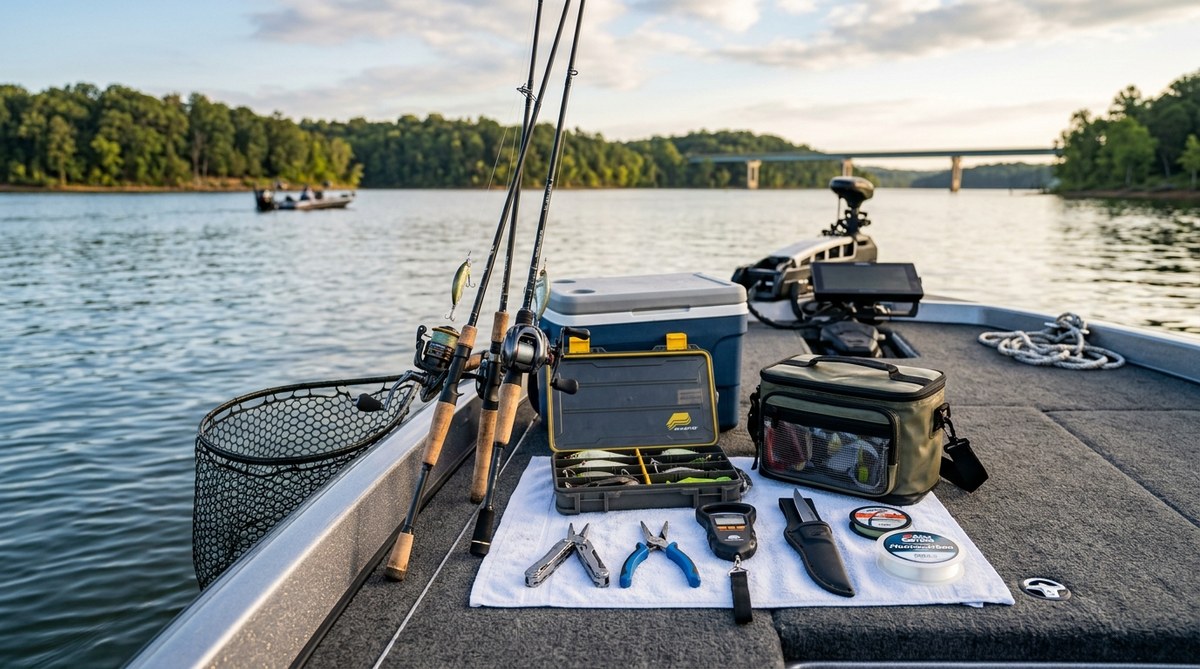
FishingKentucky’s waters offer big rewards for patient anglers, but you do not need every gadget on the shelf to start enjoying the sport. At KentuckyLakeGuide.com we believe that smart gear choices, not just big budgets, make the difference. This guide covers the essential fishing gear you need to fish Kentucky lakes with confidence, plus practical tips to stretch your dollar, stay organized, and catch more fish. Whether you are chasing bass along weed lines, crappie in the docks, or catfish at night, the right setup helps you cast further, stay safe, and have more fun on the water.
The Essentials You Absolutely Need
Starting with the basics can feel overwhelming. The good news is you can build a solid, versatile setup without breaking the bank. Below are the core items every angler should have in their boat, truck bed, or tackle box.
Rod and Reel: The Right Pair for You
- Choose a rod length that matches your target species and the fishing environment. For Kentucky lakes, a versatile 6 to 7 foot medium action rod is a solid all around choice for beginners.
- Pick a reel that matches your planned line type. Spinning reels are user friendly and great for light to medium line weights, which suits many freshwater species.
- Maintain a balance between rod and reel so you can feel the lure, the line, and the bite. A good combo should feel comfortable in your hands and easy to maneuver on both calm mornings and windy afternoons.
- Budget tip: start with a reliable, mid range setup and upgrade later as you gain confidence and refine your preferred technique.
Fishing Line and Leaders
- Monofilament line is affordable and forgiving for beginners. It stretches a bit which can help with feel and line management.
- Fluorocarbon leaders are excellent for low visibility and abrasion resistance. They work well when fishing around structure and clear water.
- Braided line offers strength for the diameter and is ideal for longer casts and heavy cover. If you use braid, pair it with a fluorocarbon leader to hide the braid in clear water.
- Spool management matters. Keep line fresh, avoid tangles, and replace old line before a big season begins.
Hooks, Weights, and Floats
- Hooks: start with a variety pack that covers sizes common for Kentucky species. Circle hooks can reduce gut hooks for some species; J hooks are traditional and versatile.
- Weights (sinkers): split shot for finesse rigs, egg sinkers for bottom fishing, and bullet weights for Carolina rigs. Choose according to depth and current.
- Floats (bobbers): dependable for shallow water and visible bite indicators. Adjustable floats let you tune with water depth.
- Pro tip: learn a few basic rig setups (Texas rig, Carolina rig, slip float) so you can adapt quickly to the day’s conditions.
Terminal Tackle: Swivels, Snaps, and Beads
- Swivels prevent line twist when using inline spinners or crankbaits.
- Snap swivels make it easy to change lures without retieing.
- Beads and spacers protect knots when stacking weights and hooks on a rig.
- Keep a small organizer with these items so you can swap gear in minutes on the water.
Lures and Baits: Matching Your Target
- Hard baits: crankbaits, lipless shads, and swagging plugs that imitate baitfish. Great for bass and walleye on Kentucky lakes.
- Soft plastics: worms, craws, and creature baits that work well in cover and around submerged structure.
- Live bait options: night crawlers, minnows, or cut bait depending on species and local regulations.
- Lure selection tips:
- Match the water color and visibility; in muddy water brighter colors tend to work better.
- Use natural color patterns in clear water and more vivid colors in stained water.
- Vary retrieve speeds to discover what triggers strikes on any given day.
Pliers, Scissors, and Knife
- A good pair of needle nose pliers is essential for unhooking and bending wires when necessary.
- Line cutters or scissors help with quick rig changes and knot work.
- A sturdy pocket knife with a sharp blade is useful for many field tasks but store it safely when not in use.
Tackle Box and Storage Solutions
- A durable tackle box keeps all your gear organized and protected from the elements.
- Consider modular organizers with clear compartments so you can quickly find hooks, weights, and lures.
- Add small bags for terminal tackle and spare line to reduce clutter inside the main box.
Nets, Coolers, and Field Gear
- A lightweight landing net with a shallow basket helps you scoop fish with minimal stress.
- A cooler with ice keeps caught fish fresh and reduces the need for extra trips back to shore.
- A small sand-free towel, hand sanitizer, sunscreen, and a hat round out a practical field kit.
Safety Gear and Gear Maintenance
- Keep a first aid kit, a whistle, and a signaling device in your boat or bag.
- Safety sunglasses protect your eyes from glare and hooks.
- Regular maintenance saves you money in the long run. Rinse gear after salt or muddy water, dry thoroughly, and store in a dry place.
- Check knots and line for wear before each trip, and replace equipment as needed.
Electronics: When to Go High Tech
- A simple fish finder can dramatically improve your day by marking weed lines, structure, and depth.
- For many Kentucky lakes, a compact fish finder with a 2D sonar is enough for beginners and offers great value.
- If you fish from shore or a basic craft, you might skip electronics at first and focus on mastering basic technique.
Knot Tying Tools and Practice
- Learn common knots such as improved clinch, Palomar, and non slip loops.
- Carry a small knot tying tool or practice with a chart until you can tie confidently under pressure.
Gear for Specific Angling Styles
Different Kentucky lake species call for subtle adjustments in gear and technique. Here are practical setups tailored to common targets.
Bass Fishing Basics
- Use medium action rods around 6.5 to 7 feet.
- Crankbaits and spinnerbaits work well along weed lines and near cover.
- Soft plastics in 4 to 6 inch sizes imitate typical bass forage.
- Early morning and late afternoon conditions often produce the best bites.
Crappie and Panfish Tactics
- Light line in the 4 to 8 pound range helps with long, delicate presentations.
- Small jigs, live minnows, and bobber rigs excel in structure such as docks and brush piles.
- A sensitive rod helps feel the subtle nibble of a crappie.
Walleye Considerations
- Use a steady, moderate retrieve with a bottom bump or slow drift approach.
- A snug fluorocarbon leader reduces glare and improves bite detection in clear water.
- Color patterns that mimic baitfish work well in many Kentucky lakes.
Catfish Readiness
- Heavier gear, sturdy rods, and heavier line are common for channel and flathead catfish.
- Use cut bait, stink baits, or nightcrawlers depending on the local regulations and fish mood.
- Bottom rigs and drift fishing are practical approaches along channel drops or deeper holes.
Fly Fishing Options
- If you enjoy fly fishing, carry a compact setup for smallmouth or sunfish along calmer sections.
- A light weight line and small streamers or nymphs can be surprisingly effective on warm days.
Maintenance, Organization, and Budget Tips
Smart gear management saves time and money over a season. These practices help you stay organized and ready on the water.
- Clean and dry after every trip to prevent rust and mold.
- Inspect line for nicks and replace as needed; aging line loses strength and sensitivity.
- Re-spool reels before long trips to avoid tangles and wear.
- Keep a checklist in your tackle box so you do not forget essential items.
- Budget friendly approach:
- Start with a core set of proven, versatile lures.
- Look for seasonal sales or bulk packs for hooks and weights.
- Borrow or trade gear with fellow anglers to test what you like before buying.
-
Consider second hand gear that is in good condition from reputable sources.
-
Storage and organization tips:
- Use divider trays for small items to prevent tangling.
- Label compartments with bait type and preferred rig.
- Keep spare line, leaders, and tools in a waterproof pouch.
Seasonal and Kentucky Lake Specific Tips
Tailor your gear and approach to the season and local conditions around Kentucky lakes.
- Spring:
- Water is cooler and fish are actively feeding along weed lines and shallow coves.
- Use medium to light tackle and move along structure to locate bites.
- Summer:
- Heat can slow bites; early morning or late evening trips can be productive.
- Focus on deeper water and shaded coves; consider braided line to reach deeper spots.
- Fall:
- Water cools, bass become more aggressive; crankbaits and jigs can produce good results along points.
- Winter:
- Ice fishing may be possible in certain sections; if not, look for sheltered bays with slightly warmer water.
- Water clarity:
- Clear water favors natural colors and smaller baits.
- Muddy or stained water responds to bright colors and louder lures.
- Weed lines and structure:
- Weed edges hold bait and predators; casting along those lines increases your chances.
- Structure such as docks, fallen trees, and rock piles are key spots to fish.
Where to Shop for Gear in Kentucky
Stocking up on essential gear in Kentucky is convenient thanks to local tackle shops, outdoor retailers, and online options.
- Local shops near Kentucky lakes offer hands on help and tips about seasonal patterns.
- Big box retailers provide starter kits, lines, and basic tackle at affordable prices.
- Online retailers can offer a broader selection and bundle deals; look for free shipping on orders that include lures and tools.
- KentuckyLakeGuide.com tip: read gear reviews and regional best practices to select gear well suited to your target species on local waters.
Practical Shopping Checklist
To help you assemble your essential gear without overdoing it, use this quick checklist as a starting point.
- Rod and reel combo
- Spool of monofilament or fluorocarbon line plus a small braid option
- Hooks in multiple sizes
- Weights and bobbers
- Swivels, snaps, and beads
- A starter selection of lures: at least two hard baits and two soft plastics
- Live bait rigging gear or submersible lures for scent and attraction
- Pliers, line cutter, knife
- Tackle box with compartments or organizers
- Net, cooler, and extra towel
- Safety gear: life vest if on a boat, sun protection
- A basic fish finder if you want to invest in electronics
Final Thoughts and Next Steps
Gear is a means to an end, not the end itself. The best anglers I know focus on technique, location, and timing just as much as they focus on gear. Start with the core items outlined above, then gradually expand as you discover what works best for your preferred species and local lakes. The goal is to feel confident on the water, enjoy the experience, and catch more fish over time.
If you are unsure where to begin, here is a simple plan:
– Step 1: Pick a comfortable rod and reel combo. Try a mid range option first before upgrading.
– Step 2: Establish a basic line setup with a fluorocarbon leader and a main line of your choice.
– Step 3: Build a small tackle kit with a few lures of different colors and a couple of terminal tackle items for quick changes.
– Step 4: Practice knot tying and basic retrieval techniques at home or in a park pond.
– Step 5: Hit Kentucky lakes with a friend who can share tips and help refine your technique.
KentuckyLakeGuide.com is here to help you with gear reviews, seasonal insights, and expert techniques tailored to our unique lakes. After you have acquired your essentials, consider checking our gear reviews section to compare specific rods, reels, lines, and lures based on real local experiences. We also share recommended spots near Kentucky lakes, tips for seasonal fishing, and how to adjust your gear setup as you gain experience.
If you found this guide useful, stay tuned for more in depth articles on gear and technique. For beginners and seasoned anglers alike, the right gear paired with solid practice is the surest path to more bites and better days on the water.