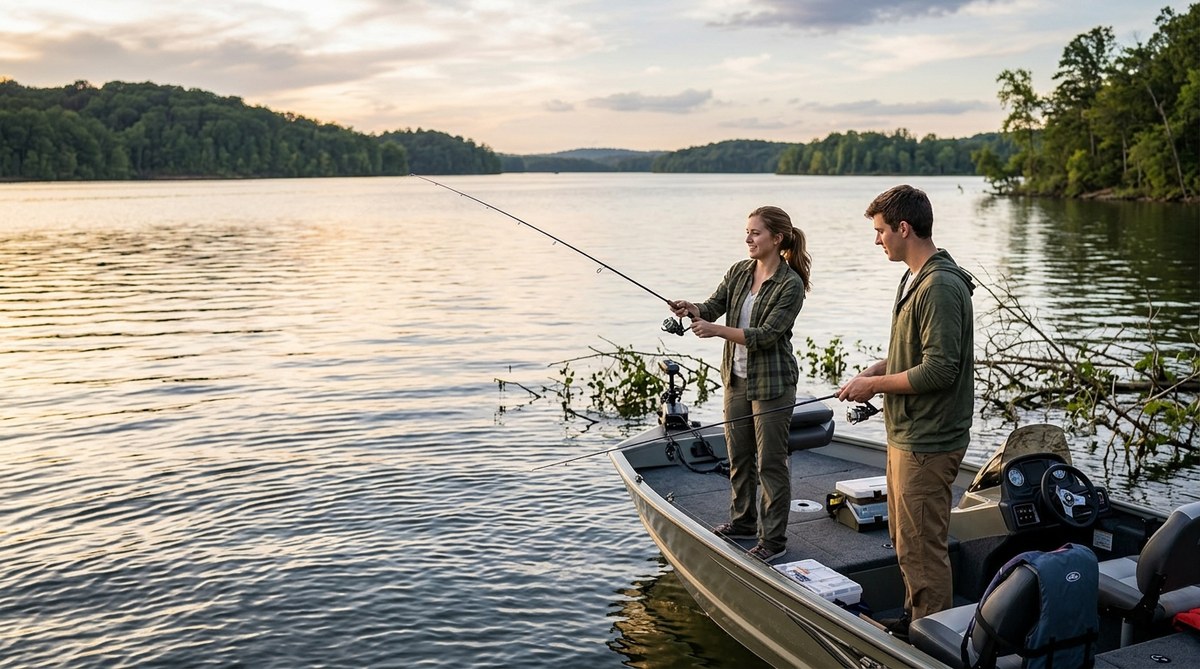
As a first time angler or someone getting back into the sport, fishing through the year can feel like a puzzle. Each season brings new fish behavior, different weather challenges, and unique learning moments. This Seasonal Fishing Guide for Beginners from KentuckyLakeGuide.com is built to help you navigate spring, summer, fall, and winter with confidence. We’ll cover what to target, how fish behave, essential gear for newcomers, and practical tips you can apply on your next trip to Kentucky Lake or nearby waters. By the end, you’ll have a solid, season by season plan that turns every outing into a learning opportunity and a success story.
Spring Fishing Essentials
Spring is a time of rapid change in water temperature and fish activity. As the lake wakes up after winter, bass move toward shallow flats, crappie begin to spawn, and catfish start feeding more aggressively after the slow winter months.
What to target in spring
- Largemouth and smallmouth bass along shallow banks, points, and cover.
- Crappie around submerged brush, docks, and standing timber as they prep for spawning.
- White bass and striped bass can appear in the river arms and coves.
Water conditions and patterns
- Water temps often move from the mid 40s to the mid 60s. Fish respond quickly to small temperature bumps.
- Look for wind-driven currents that push warmer water toward the shallows.
Techniques to try
- Fast action topwater lures at dawn and dusk for active bass.
- Jigs and soft plastic craws or swimbaits fished along riprap, weed lines, and brush.
- Crappie jigging around brush piles and dock pilings with lightweight line and small jigs.
- Slow rolling spinnerbaits or lightweight chatterbaits for incremental depth changes.
Gear tips for spring
- Lightweight spinning or baitcasting outfits in 6 to 7 feet are versatile for beginners.
- 8 to 12 pound test monofilament or fluorocarbon line provides good sensitivity and manageable stretch.
- A small tackle box with a few colors of soft plastics, inline spinners, and jigs is enough for a successful day.
Spots and practical tips
- Start along secondary points near spawning coves and shallow weed lines.
- Scout with a quick shoreline walk to spot visible structure such as logs, rocks, and docks.
Summer Fishing Essentials
Summer brings warmth and longer days, but also hotter water and changing fish patterns. With the right approach, beginners can still catch a variety of species.
Target species and patterns
- Bass on deeper structure and around boat docks.
- Crappie staging along drop-offs and timber in the mornings and evenings.
- Channel and blue catfish along channels and deeper holes.
Water conditions and strategies
- Water can shockingly warm, especially mid day. Fish seek cooler pockets and shade.
- Focus on structure like points, ledges, and brush that holds oxygenated water.
Techniques that work in heat
- Slow steady retrieves with soft plastics near cover for bass.
- Vertical jigging for crappie around standing timber and submerged brush in the morning.
- Fishing mid depth near thermoclines using live bait or scented plastics.
Gear tips for summer
- Bring a small cooler with water to stay hydrated on long days.
- Use sun protective clothing and a wide brim hat to stay comfortable.
- Pack extra sunscreen and a spare pair of polarized sunglasses to reduce glare while scanning for fish.
Safety reminders
- Hydration and sun protection are essential. Take breaks in shade and avoid prolonged exposure.
Fall Fishing Essentials
Fall is a transitional period that often produces some of the best fishing of the year as fish aggressively feed before winter.
Transitional patterns and targets
- Bass shift from deep summer hangouts to shallower structure as water cools.
- Crappie and bluegill increase feeding as pre-spawn approaches.
- Walleye can become more active in certain Kentucky waters as mornings cool.
Techniques to try
- Fast moving lures early and late, with a switch to slower retrieves as the water cools.
- Switch from spinnerbaits to crankbaits that cover a range of depths.
- Float rigs and small jigs for crappie in weed edges and timber.
Gear adjustments
- Consider a slightly heavier rod and reel for longer casts into open water.
- Have a variety of soft plastics in natural colors to imitate shad and crawfish.
Spots and practical tips
- Focus on transition zones between shallow and deeper water, including points, creek channels, and weed lines.
- Dawn and dusk become especially productive with more comfortable air temperatures.
Winter Fishing Essentials
Winter can be challenging in Kentucky, but with the right mindset you can still enjoy productive sessions, especially on milder days.
Cold water patterns
- Fish generally slow down in cold water, seeking deeper pockets with oxygen.
- Species such as bass and crappie may be found around deeper structure and slower moving water.
Techniques for cold days
- Light jigs and slow retrieves near structure.
- Deep water crankbaits or soft plastics that imitate dormant prey in deeper zones.
- Observe water clarity; sometimes slightly stained water makes fish more active.
Gear and clothing tips
- Layered clothing with windproof outer layers helps stay comfortable.
- Use a rod and reel with smooth freezing tolerance, and bring extra line or a backup reel in case of cold weather issues.
- Carry a small hand warmer and waterproof tackle box.
When winter days are too cold
- If conditions are unsafe or too cold, delay your trip and use the time to plan gear upgrades, mapping, and spot scouting for spring.
Gear Essentials for Beginners
Getting started with a solid, simple setup makes your learning curve shorter. Here is a practical starter kit.
Rods and reels
- One versatile spinning combo: a 6 to 6.6 foot medium power rod with a 2500 to 3000 size reel. This handles a wide range of lures and soft plastics.
- A second lighter or medium light rod for finesse presentations.
- If you prefer baitcasting, a 7 foot medium power rod with a smooth braking system can be useful for larger lures.
Lines and leaders
- 10 to 12 pound test for general use on spinning gear with fluorocarbon leaders for better invisibility around clear water.
- Fluorocarbon leader material for wait, especially near heavy cover.
Lures and baits to keep on hand
- Soft plastic swimbaits in natural colors for bass and crappie.
- Jigs with a small trailer for fishing around timber and brush.
- Topwater lures for dawn and dusk on bass.
- Inline spinners and small crankbaits for versatile performance.
- Live bait options such as minnows or night crawlers where allowed.
Tackle organization and maintenance
- A compact tackle box with adjustable compartments.
- Spare line, pliers, a knife, and a small net.
- Basic knot tying knowledge for common presentations like the improved clinch knot.
Budget friendly approach
- Start with a basic 4 lure set and expand as you learn which lures work best in your local waters.
- Buy quality but not excessive gear to reduce the cost of learning.
How to Read the Water
Understanding water is critical to successful fishing.
Temperature and oxygen
- Warmer water holds more oxygen but fish are active at optimal ranges; cold water holds less oxygen but fish conserve energy to stay warm.
- Use surface hum and color changes as cues to where fish might be hiding.
Structure and habitat
- Look for cover: rocks, weeds, fallen trees, docks, and drop-offs that create shelter and ambush points.
- Map out the lake and identify likely patterns such as points, ledges, and channel edges.
Weather cues
- Showers and wind can churn up water and bring prey into shallower zones where fish can feed.
- Strong fronts can push fish into deeper water or tighter cover until conditions stabilize.
Bait and Casting Basics
Getting comfortable with basic techniques will pay off quickly.
Bait choices
- Live minnows or night crawlers are effective in certain spots and seasons.
- Soft plastics that mimic worm or crawfish representations are incredibly versatile.
Casting and rigging basics
- Learn the basic overhead cast and sidearm cast for crowded or tree-laden areas.
- Use a quick knot tying practice for reliable connections.
Common beginner mistakes
- Overcasting and defaulting to large lures that overpower technique.
- Not letting lures sink to the target depth and missing the strike zone.
Safety and Etiquette
A safe and respectful angling experience benefits everyone on the water.
Essential safety tips
- Wear a properly fitted life jacket whenever on the water.
- Sun protection is essential; apply sunscreen and wear a hat.
- Hydrate and take breaks in shade on hot days.
Etiquette on the water
- Share public access points and respect other anglers’ spots.
- Keep your trash and discarded line out of the water, and pick up after yourself.
Finding the Best Fishing Spots
Kentucky Lake and surrounding waters offer a diverse array of fishing spots for beginners.
Guided by local insights
- Use local maps to identify structure such as docks, bridges, brush piles, and weed lines.
- Early season spots near inlets and coves often provide productive fishing.
How KentuckyLakeGuide.com can help
- Access reviews of fishing spots, seasonal insights, and expert techniques tailored to Kentucky waters.
- Use our resources to plan a beginner friendly trip and learn from more experienced anglers.
Beginner Fishing Plan: A 4 Season Quick Start
A simple plan helps you stay consistent and build skills through the year.
- Spring
- Learn water reading and structure identification.
- Practice basic casts near shallow cover.
-
Target spawning bass with soft plastics and jigs.
-
Summer
- Focus on depth changes and shaded areas.
- Practice a mix of topwater and slow sinking presentations.
-
Track water temperature and adjust lure depth accordingly.
-
Fall
- Experiment with transition patterns between shallow and deep water.
- Diversify lures to cover multiple depths quickly.
-
Focus on low light periods for better action.
-
Winter
- Learn cold water patterns and maintain gear readiness.
- Practice fishing strategy planning and spot scouting.
- Use colder months to study maps and plan spring trips.
Frequently Asked Questions for Beginners
-
Do I need a license to fish in Kentucky lakes?
Yes, most Kentucky fishing areas require a valid fishing license. Check local regulations and licensing requirements before you go. -
What is the best starter rod and reel?
A 6 to 6.6 foot medium power rod with a spinning reel is a versatile choice for beginners. -
How can I learn to cast accurately?
Start with a calm, open space and practice with a light lure. Focus on smooth, controlled motions and let the lure load the rod. -
Which fish should I target first on Kentucky Lake?
Bass, crappie, and bluegill are great starting targets for beginners on Kentucky waters. They offer frequent bites and teach you basic technique. -
How do I stay safe on the water?
Always wear a life jacket, stay hydrated, apply sunscreen, and check the weather before you head out. Have a plan and share your trip details with a friend or family member.
Seasonal fishing is a year long learning curve. Each season offers its own set of opportunities, challenges, and rewards. By starting with the fundamentals—knowing your gear, understanding how fish behave with changing weather, and practicing solid casting and knot tying—you set the stage for steady improvement. Kentucky Lake and the surrounding Kentucky waters provide a friendly environment for beginners to grow their skills. Remember that every outing contributes to your knowledge base, and over time you will recognize patterns, know where to fish, and cast with confidence.
If you are seeking more specific guidance, KentuckyLakeGuide.com is here to help with equipment reviews, spot recommendations, and seasonal insights that align with your beginner journey. Keep exploring, stay curious, and enjoy the journey of learning to read the water, present the lure effectively, and connect with the enjoyable pace of fishing through the seasons.