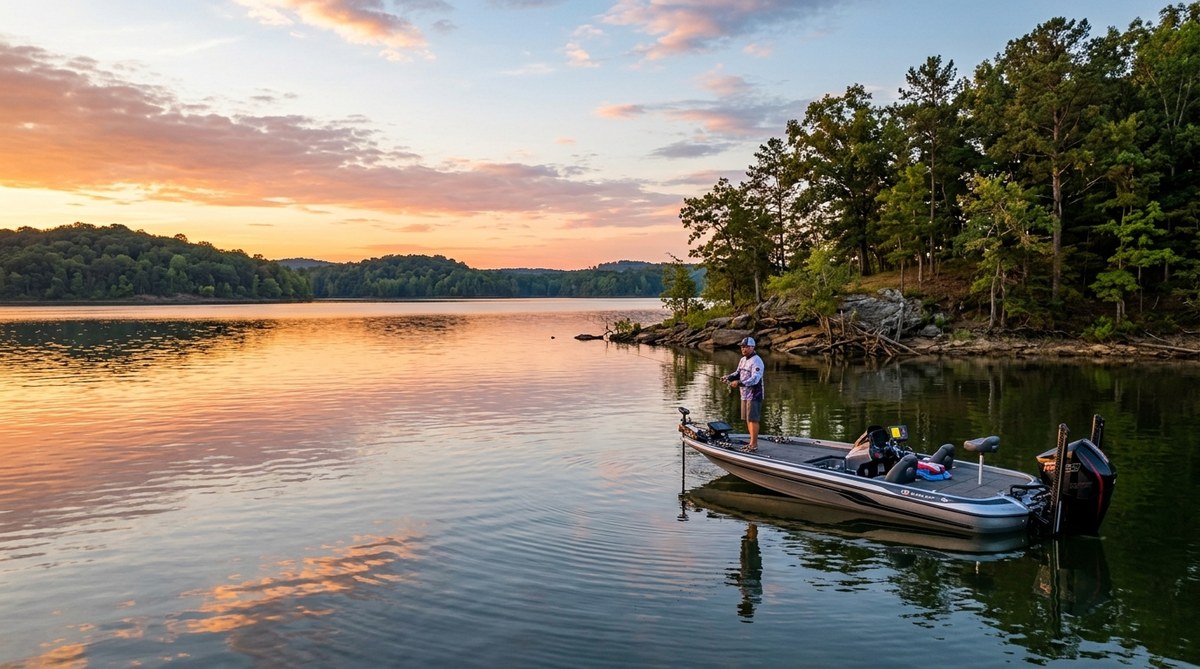
Kentucky Lake is not just a big name on the map, it is a big piece of the heart of seasoned anglers. Whether you are chasing trophy bass, crappie in the spring, or white bass schooling in the fall, this reservoir system offers a dynamic playground with water that can turn from calm to rippin in a hurry. At KentuckyLakeGuide.com we have profiled the most reliable hotspots, the seasonal patterns that matter, and the practical know how you need to plan a successful trip. In this guide we break down the best fishing spots around Kentucky Lake, share practical tactics, and point you toward access points that make your day on the water smoother and more productive.
The North End Highlights
The north end of Kentucky Lake holds a mix of creeks, ledges, and pockets that are magnets for both structure loving bass and schooling species. The reason this zone shines is simple relief from the main channel and plenty of beta from local brush and rock piles.
Why the north end matters
- It concentrates fish in predictable zones during spring and fall
- It offers numerous access points for both boaters and shore anglers
- It features a variety of habitat from docks and laydowns to rock piles
Target species and seasons
- Bass: Largemouth and smallmouth blend in here, with bass typically biting best in spring and fall when they are moving to or from spawning zones.
- Crappie: Look for brush and structure near creek mouths; crappie tend to move into shallower cover during spring.
- White bass: Schooling action can occur in the広 flatter pockets adjacent to the main river, especially in late spring and fall.
Tactics to use on the north end
- Use a mid depth approach with shiners or soft plastic baits to probe around brush and rocky cover
- Run light line and a stealthy presentation for bass near submerged structure
- Check for schooling activity with topwater or flutter spoons during peak spring periods
Access points and practical tips
- Start at a well established ramp near the main body and work your way into the creeks
- Pack sun protection and a versatile selection of baits to cover both shallow and mid depth zones
- Talk to local outfitters for current patterns as water levels move with dam releases
Kentucky Dam Marina and Surrounding Creeks
Kentucky Dam Marina sits at a strategic gateway on Kentucky Lake, where the river level, current, and habitat mix can be tuned by dam operations. The surrounding creeks and coves provide a consistent flow of fishing opportunities.
What to focus on around Kentucky Dam Marina
- Structure oriented fishing around dock lines, pilings, and shallow cover
- Edge of current seams where fresh water pours into the lake
- Slow presentation around isolated weed lines and grass patches
Seasons and species to watch
- Spring: Bass move toward shallow cover around the marina area; look for bedding bass near docks
- Summer: Target deeper edges and rock piles where fish suspend and feed
- Fall: Bass and white bass become more aggressive around shoulder areas of creeks and main channel
Tactics that work here
- Slow rolled spinnerbaits or a slow jig near docks
- Crappie anglers should shoot for brush and shallow cover around the marina
- For white bass, throw spoons or small crankbaits around schooling fish in the early morning
Access and safety notes
- The marina is a popular launch site but always be mindful of traffic and boat wakes around busy hours
- Bring a simple map of nearby coves to easily switch between productive pockets
Blood River and Nearby Coves
Blood River is a classic Kentucky Lake hotspot when the weather aligns, offering a labyrinth of coves, bends, and points that concentrate life around food sources.
Species and seasonal patterns
- Bass: Early spring and fall are prime times near river mouths and points
- Crappie: Brushy pockets in Blood River can hold good counts during spring
- White bass: They often stage near the river channel edges in reproductive windows
Effective techniques
- Move along the shorelines with a jig and pig or a medium spinnerbait to locate bass
- Use a small tube jig around brush for crappie
- Fish with a shallow running crankbait when you see any active schooling behavior
Getting the most from Blood River
- Map out access to several coves so you can switch when fish move
- Look for subtle current lines during dam releases that can pull bait and fish into certain pockets
Paris and the Northern Bank Areas
The Paris area offers a mix of gravel and riprap banks with nearby residential and public access, making it a reliable consistent pattern for many anglers.
What to expect in this zone
- Shoreline structure and feed zones tend to hold bass across seasons
- Crappie can be found around timber and brush near the shoreline
- White bass often push along the banks during seasonal surges
Practical patterns
- In spring, target points and pockets near the shoreline with jigs and creature baits
- In late summer, move toward deeper pockets and drop offs near the river channel
- Use a steady retrieve to keep your bait in the strike zone and adapt depth as the sun moves
Access tips
- Paris Landing State Park is a common base for trips to this area
- If fishing from shore, look for sheltered pockets with some cover and access to deeper water nearby
The South End: Lighter Winds, Bigger Opportunities
The south end of Kentucky Lake often presents lighter wind conditions and a broad mix of flats, bays, and deeper channels. Anglers who are patient with schooling fish patterns often find stable action here.
Why the south end is productive
- A combination of open water and structure yields multiple bite windows
- Schools of white bass and other pelagic feeders frequent this zone, providing fast action on good days
- The variety of access points makes it easier to find calm water on tougher days
Species guidance by season
- Bass: Spring and fall are strong times; target points and humps that lead into a channel
- White bass: Look for big schools that push along the channel edges, especially on sunny days
- Crappie: Found around drift lines and submerged cover in coves during spawning
Tactics for the south end
- Use a spoon or inline spinner to locate schools fast
- Try a flutter spoon or small crankbait to match the movement of schooling fish
- When the wind is light, keep baits just above the bottom to best target deeper congregations
Access points
- Consider near by marinas and public ramps that allow quick changes in plan if the wind shifts
Jonathan Creek and the 68/80 Eggners Ferry Bridge Area
This localized section is known for solid bass and crappie opportunities, with structure features around the bridge wings and adjacent cover.
What to target here
- Bass on the bridge pilings and nearby cover
- Crappie around the bridge and in adjacent coves with brush and submerged timber
Seasonal notes
- Spring: Spawning activity near structure is often robust
- Summer: Fish may suspend around deeper edges; mid depth tactics work well
- Fall: Transitional feeding around channel edges tends to increase bite probability
Tactics
- Cast near pilings with a jig or plastic to draw strikes from bass
- Use small jigs and live bait for crappie around structure
- Consider a slow roll or drift approach to cover larger water blocks near the bridge
Bank and Shoreline Options
Not every trip requires a boat. Kentucky Lake offers bank fishing opportunities that reward patience and a keen eye for accessible water and cover.
Best bank spots and tips
- Look for public access points with nearby cover like brush piles and shallow banks
- Move along the shoreline in the morning for the best light and visibility
- Bring a set of small lures that cover multiple depths
Species to expect from the shore
- Bass: Often relation to near shore structure and weed lines
- Crappie: Occasional pockets near grassy banks
- White bass: Occasional schooling bursts near accessible coves
Gear and technique for bank fishing
- Lightweight spinning gear with soft plastics and small jigs
- A compact tackle box with a small selection of live bait options if allowed
- A simple plan and a pre mapped route can save time and maximize productive windows
Seasonal Patterns and a Month by Month Guide
Kentucky Lake exhibits predictable patterns that can help you decide where to fish and what to bring. Here is a practical calendar style guide to help you plan.
January to March
- Focus on deeper structure and transition zones as water cools
- Look for bass around rock piles and channel edges
- Crappie habitat centers around brush and timber in protected coves
April to June
- Prime spawning window on many basins
- Look for bass near docks, points, and shallow cover
- Crappie move into shallower zones; vegetation and brush are your best guides
July to September
- Heat can push fish deeper; find offshore structure and current seams
- White bass often respond to schools near channel edges
- Feeding windows are shorter; use fast presentations and watch for bait activity
October to December
- Fall transitions again bring aggressive bass feeding
- Weave through coves and points where bait fish gather
- Seasonal fronts can turn the bite on quickly from day to day
Gear, Tackle, and On the Water Best Practices
Having the right gear and a plan helps turn uncertain days into productive ones on Kentucky Lake.
Essential tackle list
- Bass lures: Jigs in 1/4 to 1/2 ounce, soft plastics, swimbaits, and spinnerbaits
- Crappie gear: Light jig heads with small shad or worm imitators, brush jigs
- White bass gear: Small spoons, inline spinners, and light crankbaits
- General: A versatile tackle box with a few go-to baits that cover shallow and mid depth ranges
Practical on water routines
- Start with a confidence pattern and a backup plan
- Check water clarity and wind conditions to choose lures and presentation
- Adjust depth by range of bait and cover that you locate with your first pass
Safety and etiquette
- Always wear a life jacket on the water and have a sound signaling device
- Follow local rules on boating speed and no wake zones
- Be courteous to anglers around you and to those who may be fishing from shore or docks
Access, Logistics, and Local Knowledge
Getting to Kentucky Lake and finding the right access points is half the battle won.
Top access points to know
- Kentucky Dam Marina: A central launch and recovery point with a busy but well marked area
- Paris Landing State Park: Great for launching and exploring the north end
- Blood River area: Accessible from nearby ramps and well suited for both boaters and shore anglers
Planning tips
- Check dam release schedules to anticipate water level shifts and current
- Bring a reliable map app or a physical map to quickly adapt to changing conditions
- Check the local fishing reports for that week; small shifts in current can alter bite windows
Local Knowledge: Why Kentucky Lake Guide Helps
KentuckyLakeGuide.com is dedicated to making your fishing trips to Kentucky Lake more successful. With equipment reviews, detailed fishing spot guides, seasonal insights, and expert techniques, this site is built for anglers who want real, practical knowledge. When you plan your trip, consider:
– Using the site’s fishing spot profiles to pick a few backup locations in case weather shifts
– Reading seasonal insights to time your visit with the best bite windows
– Checking gear recommendations tailored to Kentucky Lake conditions
Putting It All Together: A Sample Day Plan
To illustrate how the above patterns translate into a real day on the water, here is a sample plan you can adapt to the weather and water conditions on Kentucky Lake.
1) Early morning plan
– Start near a dock or shallow point on the north end where bass are known to stage
– Bring a jig and a small shallow running crankbait for fast exploration
2) Mid morning transition
– If schooling is observed, switch to a spoon or inline spinner to quickly cover water
– Move to the west bank for potential white bass activity
3) Midday adjustments
– When the sun is high, search for deeper structure near the main channel or bridge areas
– Switch to a slower presentation and deeper coverage, especially if the water has warmed
4) Late afternoon wrap up
– Revisit shoal points near coves for any lingering bass or crappie
– Make sure to check as water levels may shift around dam releases
Final Thoughts: Explore, Learn, and Fish Often
Kentucky Lake offers a rich mix of structure, habitat, and seasonal dynamics that reward a thoughtful approach. Whether you are a weekend angler chasing a good bite close to home or a seasoned pro seeking a new challenge, the lake has something to offer every time you tie on a line. Use the hotspot ideas, seasonal patterns, and practical tactics shared here to plan better, fish smarter, and enjoy more time on the water.
- Remember to map out several potential spots before you go
- Have a flexible plan that can adapt to weather and water level changes
- Keep notes after each trip so you can track what patterns are most productive across different years
If you want to stay connected with Kentucky Lake fishing news, seasonality updates, and pro tips, be sure to bookmark KentuckyLakeGuide.com as your go to resource. We are here to help with everything from tackle reviews to detailed spot profiles, designed to help you improve your success on Kentucky Lake, year after year.